LabChinResearch module in development
Connect scattered research into one AI research environment.
LabChin is an AI research environment for corporate R&D teams. It connects the whole research process, from paper and patent search to computation, experimental data and the record of past decisions. It is in development, and we are looking for partner companies to validate it with.
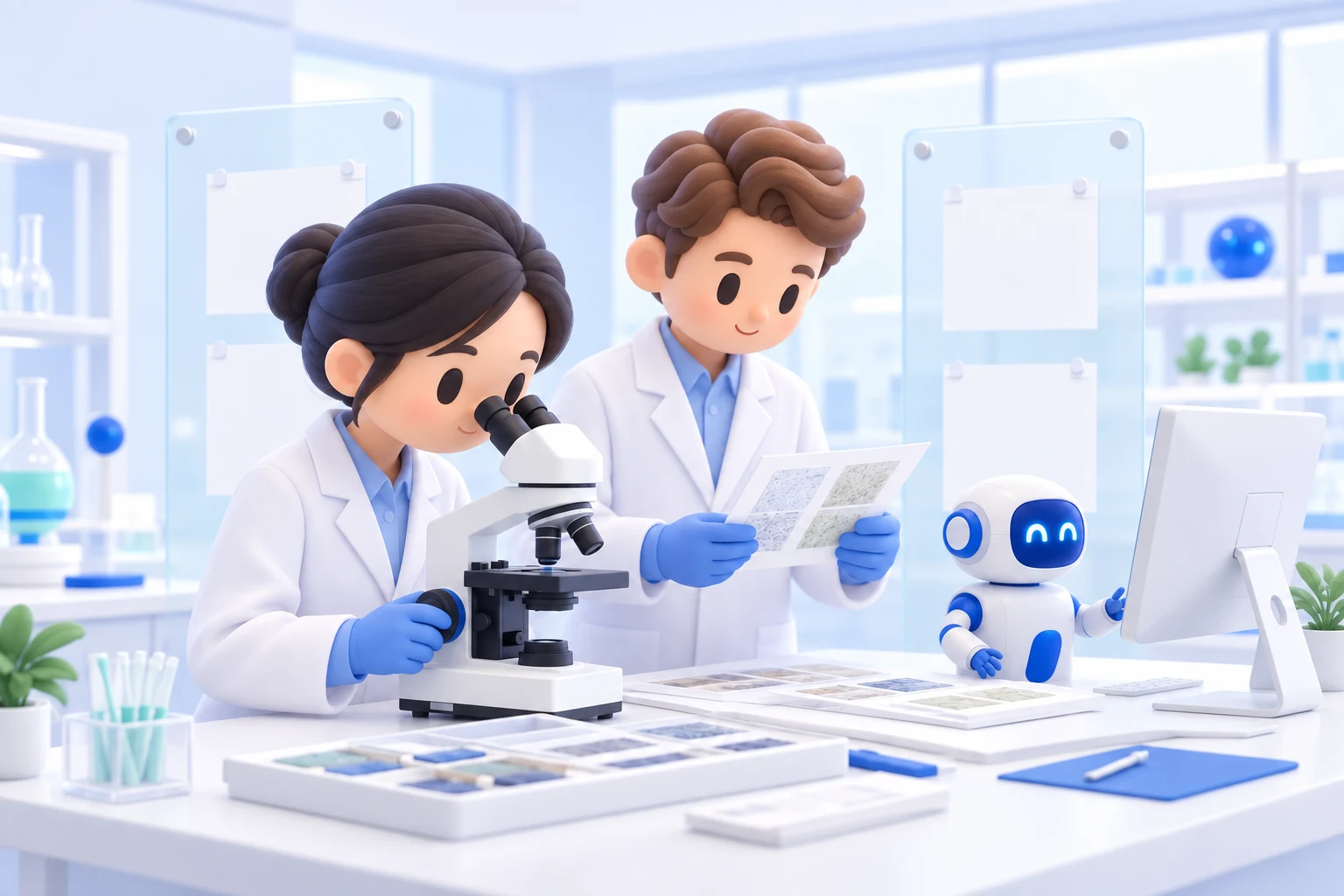
Research assets are plentiful. They are also scattered.
Corporate R&D teams build up many research assets. They sit in different systems and with different researchers.
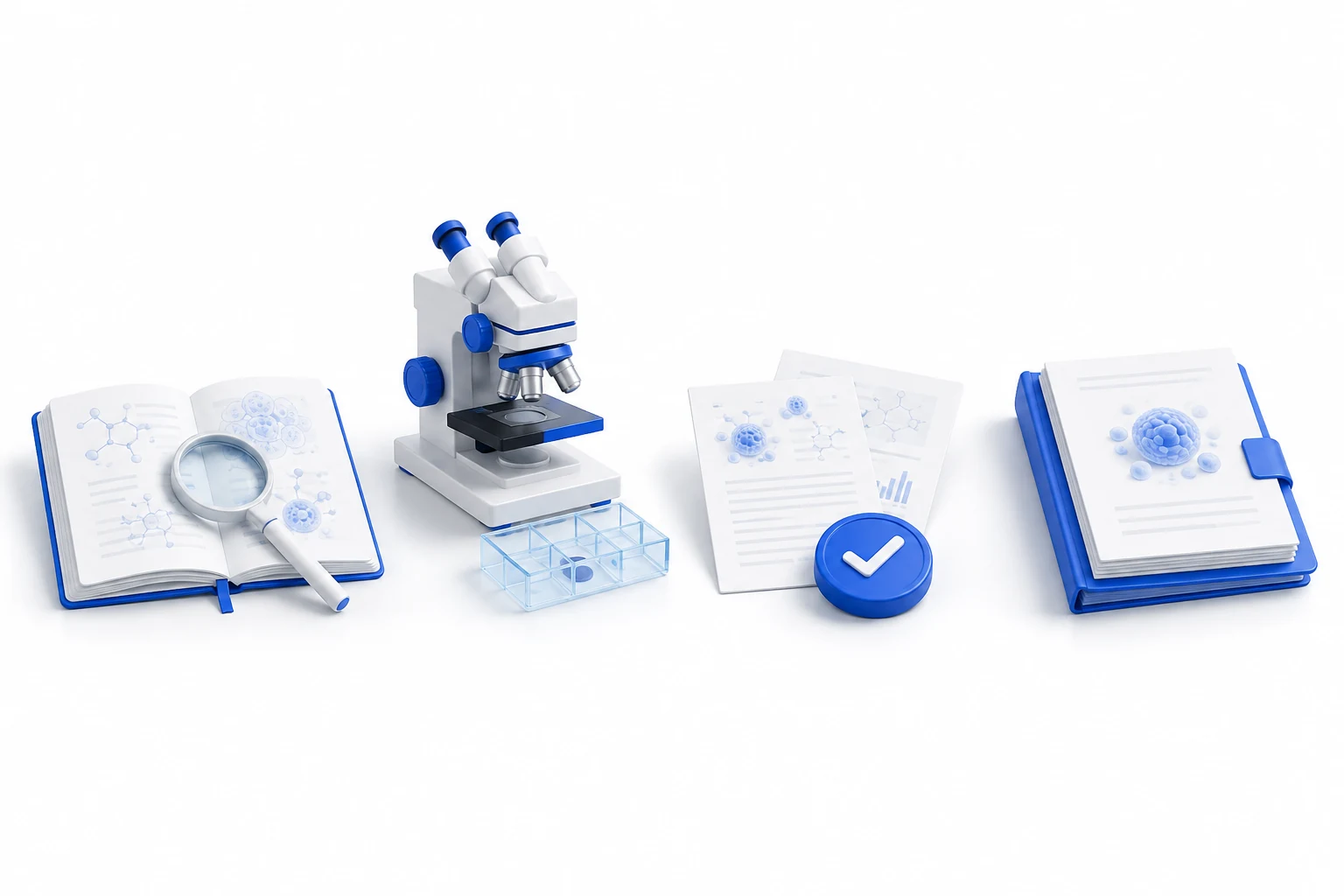
Assets that pile up
- Papers
- Patents
- Technical documents
- Internal reports
- Research notes
- Code
- Computation and simulation results
- Experimental data
- Equipment data
- Past projects
So every new study repeats the same work.
Find the past material again.
Work out how the research has developed.
Check how much it overlaps with existing work.
Compare several candidates.
Confirm why an earlier decision was made.
What LabChin does
LabChin connects the whole research process into one AI research environment.
In development



Search, then see how the research developed.
Search papers, patents and internal material together, and see how the research developed.



Check the overlap, then find what is missing.
Compare a new idea with earlier work and find what has not been studied.




Propose the next questions, then compare candidates.
Propose the next questions and hypotheses, and compare candidates against the same criteria.




Understand a hard paper by changing it yourself.
Change variables and conditions yourself and see how the result changes.



Several research agents work at the same time.
Split the question, run search, computation and verification in parallel, then combine the results.


Computed results meet real research data.
Connect computed results with experimental data, equipment data and research notes.



Keep the process, as well as the result.
Keep what was investigated and why each decision was made as Research Memory.
The 26 modules of LabChin
In development
- Research search and investigation
- Research history and context
- Prior work and overlap analysis
- Research gap exploration
- Research question and hypothesis generation
- Comparison and decision support
- Paper understanding
- Concept lab (Explorable Explanations)
- Scientific computing
- Parallel research agents
- Experiment and computation reproduction
- Research, experiment and equipment data connection
- Internal research knowledge connection
- Research material management and Knowledge Map
- Research Memory
- Evidence, source and citation management
- Researcher, institution and capability search
- Research workflow automation
- Continuous research monitoring
- Harness and agent orchestration
- Human-in-the-loop
- Research output generation
- Research workflow and knowledge reuse
- Research team collaboration and Shared Context
- AI result verification and quality control
- Security, permission and audit
AI that assists the researcher.
LabChin is AI-assist, not AI-driven. The researcher is at the center of the research. AI works alongside and takes on the time-consuming work.
What AI helps with
- Searching the material
- Organizing the evidence
- Comparing candidates
- Computation and reproduction
- Finding the next questions
We are looking for partner companies.
We want to apply this research environment to real corporate R&D problems, and validate and improve it together.
The first PoC we propose
Choose one task
Choose one real research task.
Connect the material
Connect the related papers and internal material, the experimental or engineering data, and the existing research process.
Validate together
Check together whether it really helps with the five points below.
What we will check together
- Does research and review take less time?
- Does it surface information and variables that were missed before?
- Are computations and research results easier to reproduce?
- Is research knowledge reused?
- Does it really help find the next research direction?
What each side brings
Partner company
- A real R&D task
- Expertise in the field
- Research data that can be used
- Validation and feedback from researchers
HDATF
- AI Research Workflow
- Research Agent
- Data and knowledge connection
- Computing environment
- Research Memory
- Harness and Orchestration
- User environment
Start with one real research task.
Tell us about the task and the material you can share. We will work out the scope of the first PoC together.
Talk about a partnership